| Romanticism
The Art History Archive - Romanticist Art
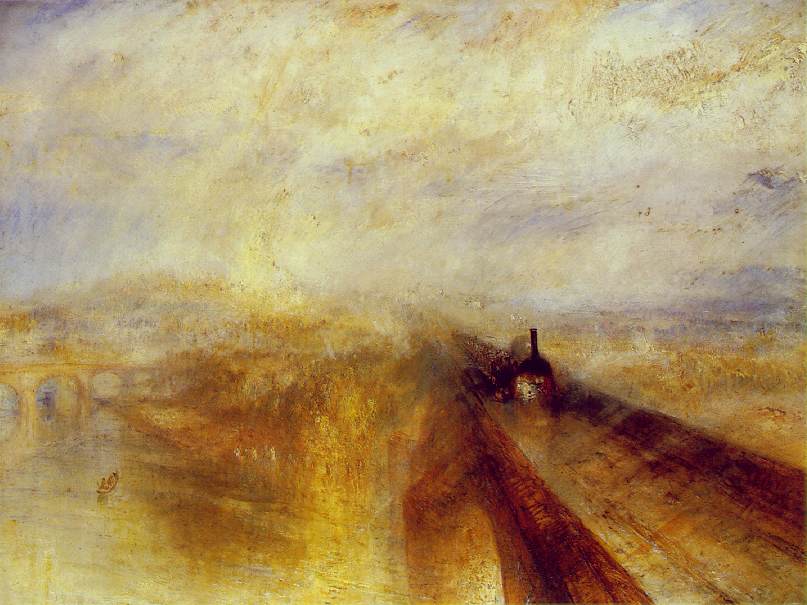
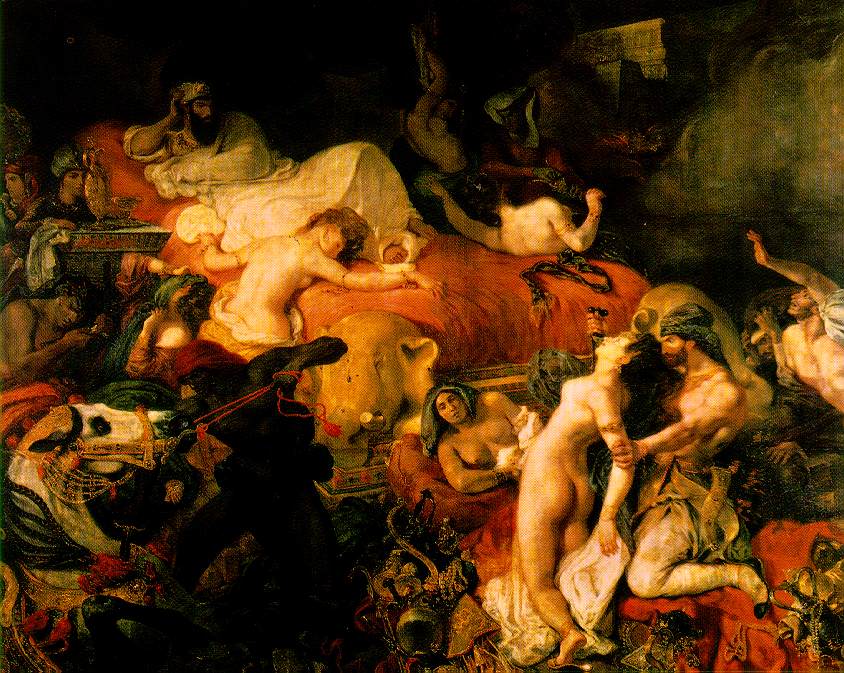
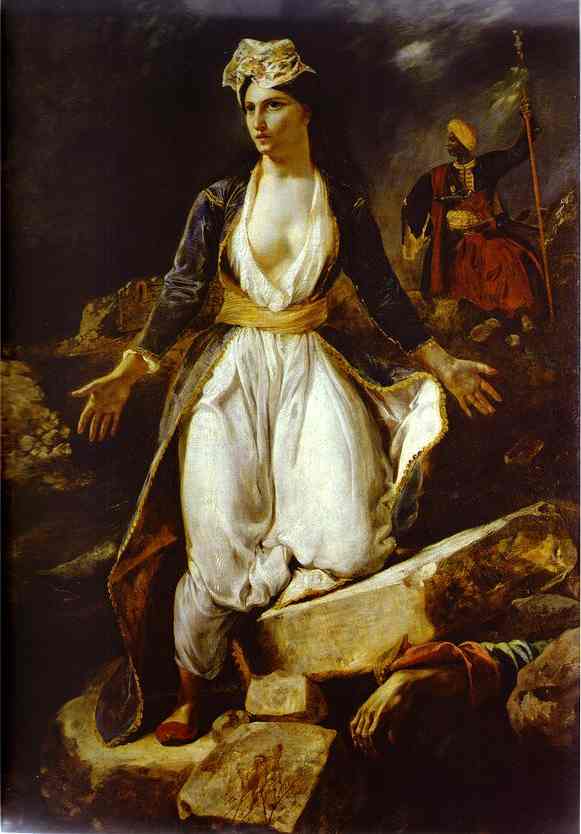
Romanticism (1790-1850) By Charles Moffat - 2006, Updated November 2010. Beginning in the late 18th century and lasting until the middle of the 19th century a new Romantic attitude began to characterize culture and many art works in Western civilization. It started as an artistic and intellectual movement that emphasized a revulsion against established values (social order and religion). Instead Romanticism exalted individualism, subjectivism, irrationalism, imagination, emotions and nature, it valued emotion over reason and senses over intellect. These artists and philosophers of the time were in revolt against the existing social order and they favored the revival of potentially unlimited number of artistic styles (basically anything that aroused their senses or imagination). The Romanticist movement started as a reaction to the political turmoil of the times, plus the influx of foreign art coming from Canada, Asia and around the world. As such 'Orientalism' had a huge influence on the artists of the time, especially artists like Eugene Delacroix.
The big names during the period are:
Other Key Works:
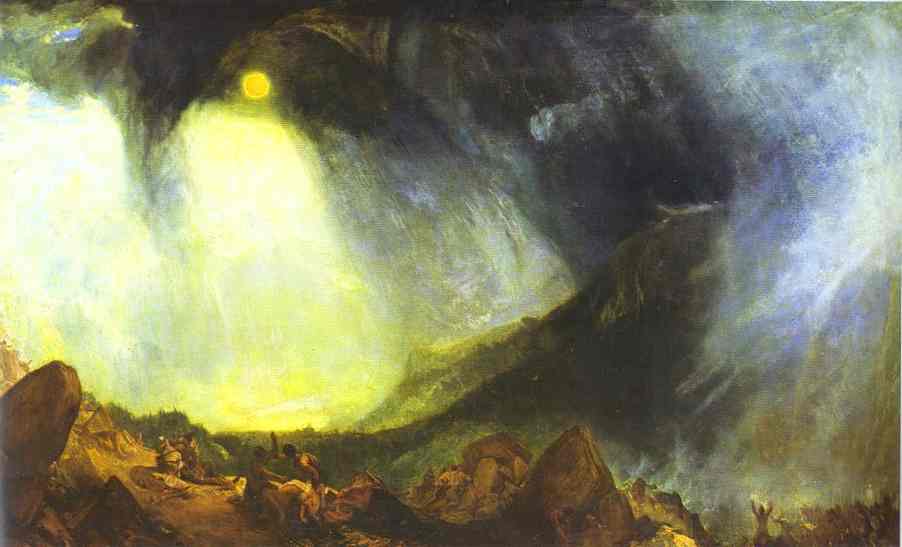
Romanticist artists were fascinated by the nature, the genius, their passions, inner struggles, their moods, mental potentials and heroes. They investigated human nature and personality, the folk culture, the national and ethnic origins, the medieval era, the exotic, the remote, the mysterious, the occult, the diseased, and even satanic. Romanticist artists had a role of an ultimate creator who ignored the established rules, which they felt were too strict, formal, traditional and even procedural. Such artists used their imaginations as a gateway to transcend experience and spiritual truth. Despite the revolt against established religions many Romanticist artists were very spiritual. What they were really revolting against was the narrow mindedness of organized religion, which they believed was too strict and hypocritical. The German poets and critics August Wilhelm and Friedrich Schlegel first used the term 'Romanticism' to label a wider cultural movement, but it later became known primarily to describe art and literature of the time period. For the Schlegel brothers, Romanticism was a product of Christianity. The culture of the Middle Ages created a Romantic sensibility which differed from the Classical art styles which preceded it. Christian culture dealt with a struggle between the heavenly perfection and the human experience of inadequacy and guilt. This sense of struggle, and ever-present dark forces and dark feelings, was present in the existing culture and part of the whole human experience. Artists, often being idealists, wanted something more than the dark and narrow minded views that society wanted to force on them.
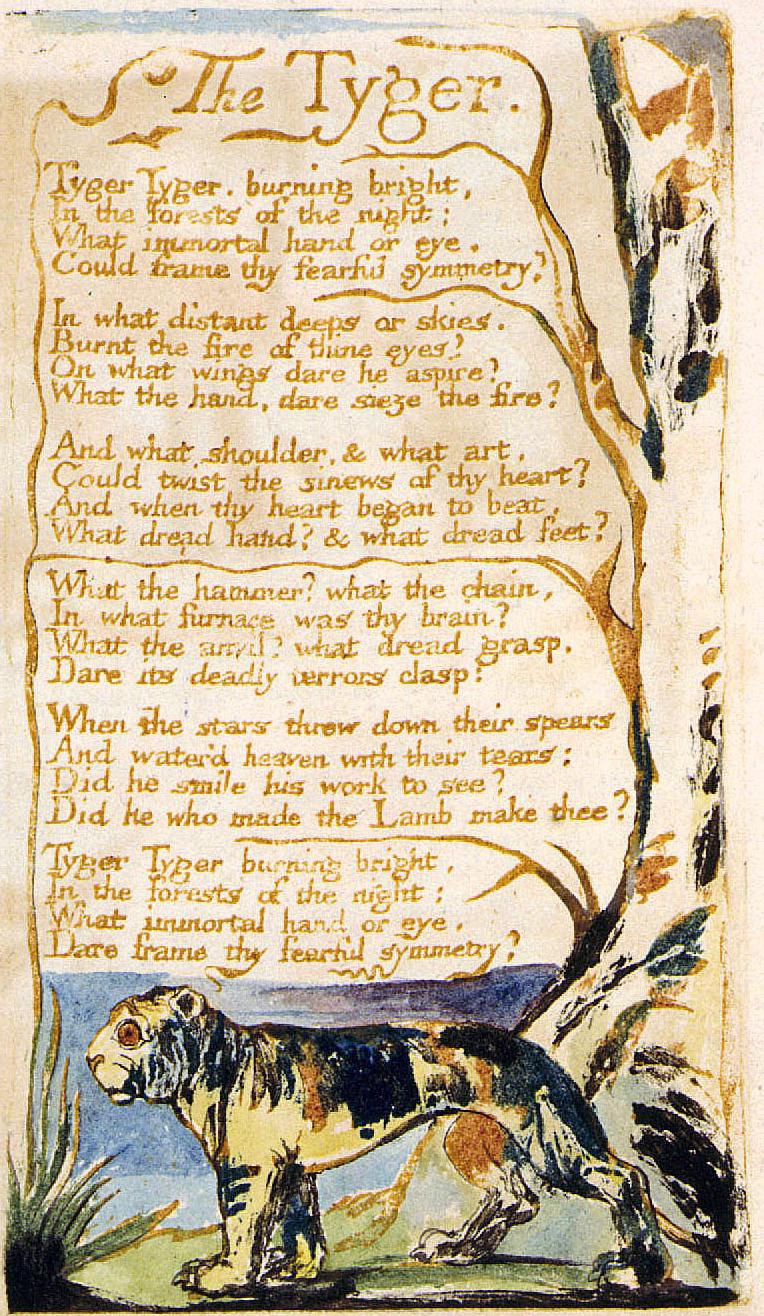
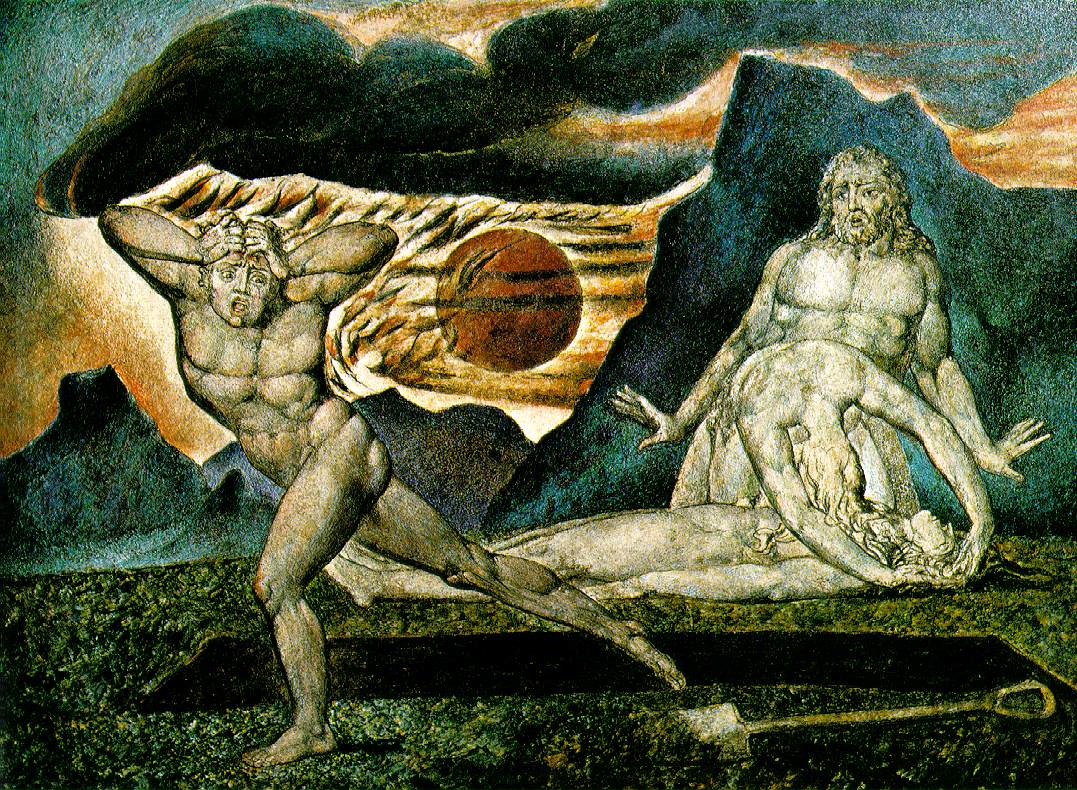
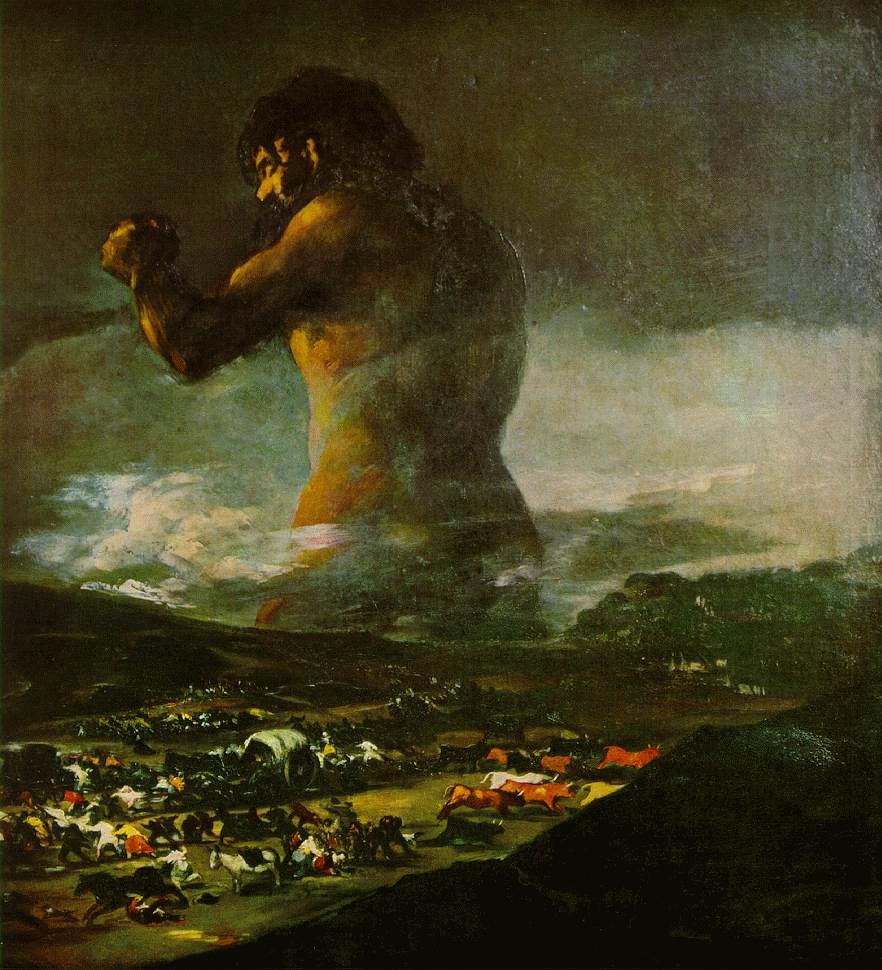
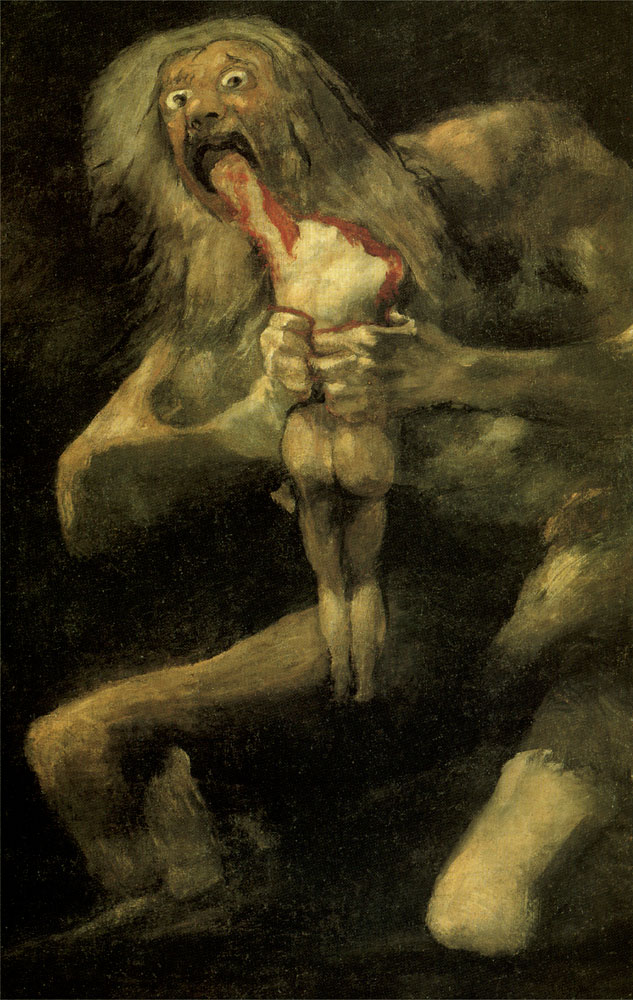
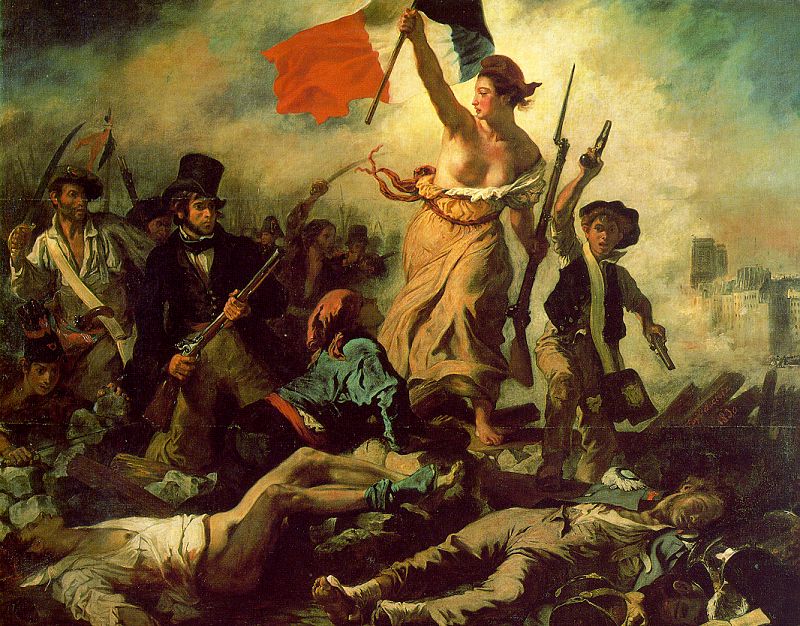
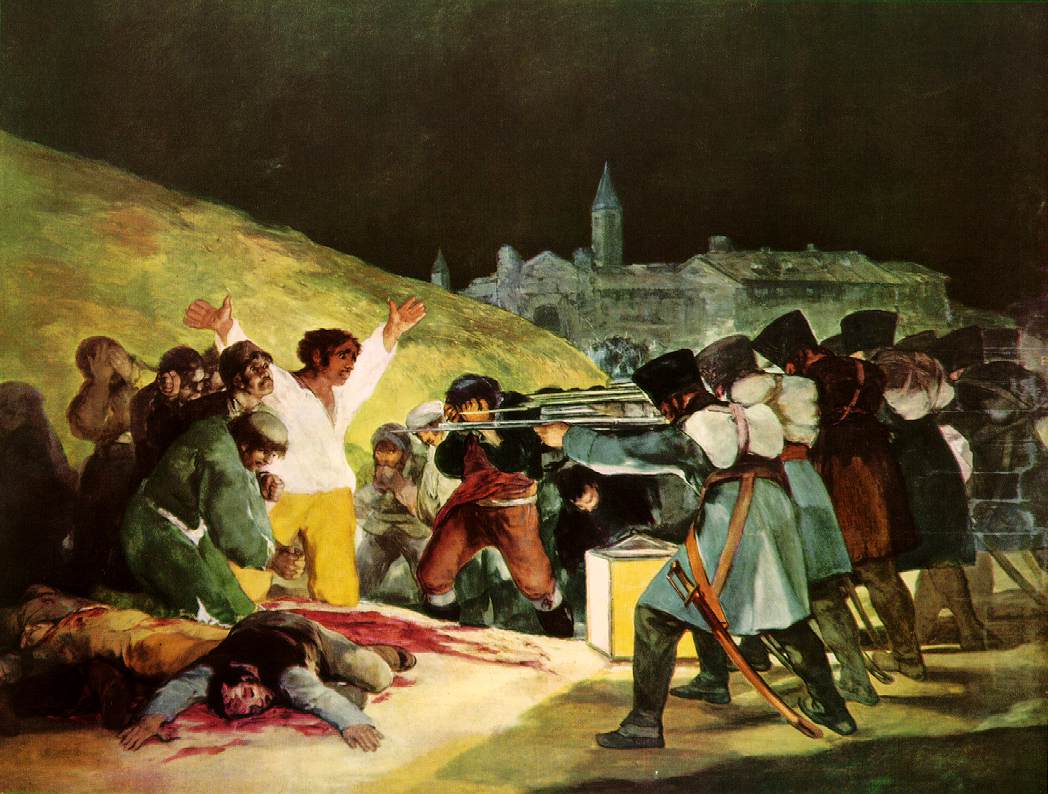
Artists like William Blake, Henry Fuseli and Francisco de Goya are excellent examples of artists who dealt both with these dark feelings, but also with their rejection of such concepts because they felt society could and should be living up to a higher standard of personal freedom and individualism. It is no small surprise therefore that the start of the Romanticist art movement coincided with Thomas Paine's 1791 treatise "The Rights of Man" which was quickly followed by Mary Wollstonecraft's "A Vindication of the Rights of Woman" in 1792. On the heels of the American War of Independence (1775–1783), this sudden shift towards personal freedom partly explains Romantic fascination with the heroes of the Middle Ages, the combined causes of the Romantic movement itself correspond to the sense of rapid, dynamic social change that culminated in the French Revolution, the Napoleonic era and an era of higher education and literacy. Because the Romanticist movement wasn't limited to Europe the sentiments of personal freedom, the right to democracy and other new and sometimes radical concepts also spread to colonies and countries overseas, thus sparking social change globally.
Hudson River School (1835 - 1870)Hudson River School was the first American school of landscape painting active from 1835-1870, and can be considered to be part of the American Romanticist movement. The subjects of their art were romantic spectacles from the Hudson River Valley and upstate New York. The artist Thomas Cole is synonymous with this region and considered the leader of the group. Other famous artists of the group are George Caleb Bingham, Asher B. Durand, Thomas Moran, Albert Bierstadt, Frederic Edwin Church, George Inness, John Frederic Kensett, and Martin Johnson Heade.
French Romanticism: Other Countries:
Spanish Romanticism: German Romanticism: British Romanticism: Canadian Romanticism:
American Romanticism: The Hudson River School:
|
|
||||||||||||||||